
INFECTION PREVENTION
The Bed Is Part of the Patient Environment.
Infection prevention cannot stop at the visible surface.
Hospital mattresses and bed decks are reused from patient to patient and can remain vulnerable to contamination, surface damage, and incomplete reprocessing. Trinity Guardion helps create a protected, repeatable, and measurable approach to this overlooked part of the patient environment.
WHY THE BED MATTERS
THE OVERLOOKED RESERVOIR
A Clean-Looking Mattress Is Not the Same as a Controlled Surface
Hospital beds are central to patient care and move throughout the facility. Because mattresses and bed decks are reused, contamination that remains after one patient can become part of the environment encountered by the next.
High-Touch Surface
The mattress is a direct patient-contact surface and the bed is also a frequent caregiver touchpoint.
Patient-to-Patient Reuse
The same mattress and bed frame may support many patients over its service life.
Environmental Persistence
Organisms such as C. difficile can persist on environmental surfaces and may contribute to transmission risk.
Hidden Damage
Wear, chemical exposure, seams, punctures, and compromised covers can create contamination risks that are not always immediately visible.
TRANSMISSION RISK
Previous Occupants Can Affect the Next Patient
Published research has found associations between exposure to contaminated patient environments and increased infection risk for subsequent occupants.
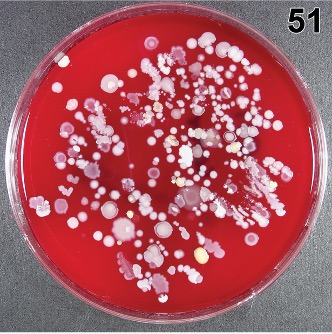 Replace with current infection-prevention image
TERMINAL CLEANING
Why Reprocessing Can Fall Short
Hospital beds and mattresses are medical devices that require cleaning and disinfection between patients. The challenge is consistently achieving that process across complex soft surfaces, seams, bed decks, and high-touch components.
Complex surfaces Mattress seams, folds, covers, and bed components are more difficult to clean consistently than simple hard surfaces.
Required dwell time Disinfectants require correct application and contact time to perform as intended.
Material compatibility Repeated chemical exposure can contribute to degradation of mattress-cover materials.
Inspection challenges Damage or internal contamination may not be apparent during routine room turnover.
C. DIFFICILE
Persistence Changes the Standard for Environmental Control
C. difficile spores can persist in the healthcare environment for prolonged periods. Effective infection prevention therefore depends not only on cleaning a surface, but on controlling whether viable organisms remain.
Environmental Persistence
CDC guidance recognizes that C. difficile spores can persist on surfaces and equipment for extended periods.
Low Infectious Burden
Experimental research cited on Trinity Guardion’s current page illustrates how relatively small spore quantities may remain relevant.
Caregiver Hand Contamination
One cited study found contamination of gloved caregiver hands following contact with patients and environmental surfaces.
CHANGE THE CONTROL POINT
Protect the Mattress Before Contamination Reaches It
Soteria® creates a reusable physical barrier between the patient environment and the underlying mattress and bed deck. After use, the barrier is removed and processed through a validated laundry cycle before returning to service.
Physical separation Helps prevent patient fluids and soils from reaching the mattress and bed deck.
Validated reprocessing Laundering has demonstrated greater than 99.9999% reduction of bacteria and spores.
Inspection between uses Barriers can be inspected during the laundry process before being returned to patient care.
Traceable workflow EcoSystem™ can add inventory, lifecycle, and compliance visibility.
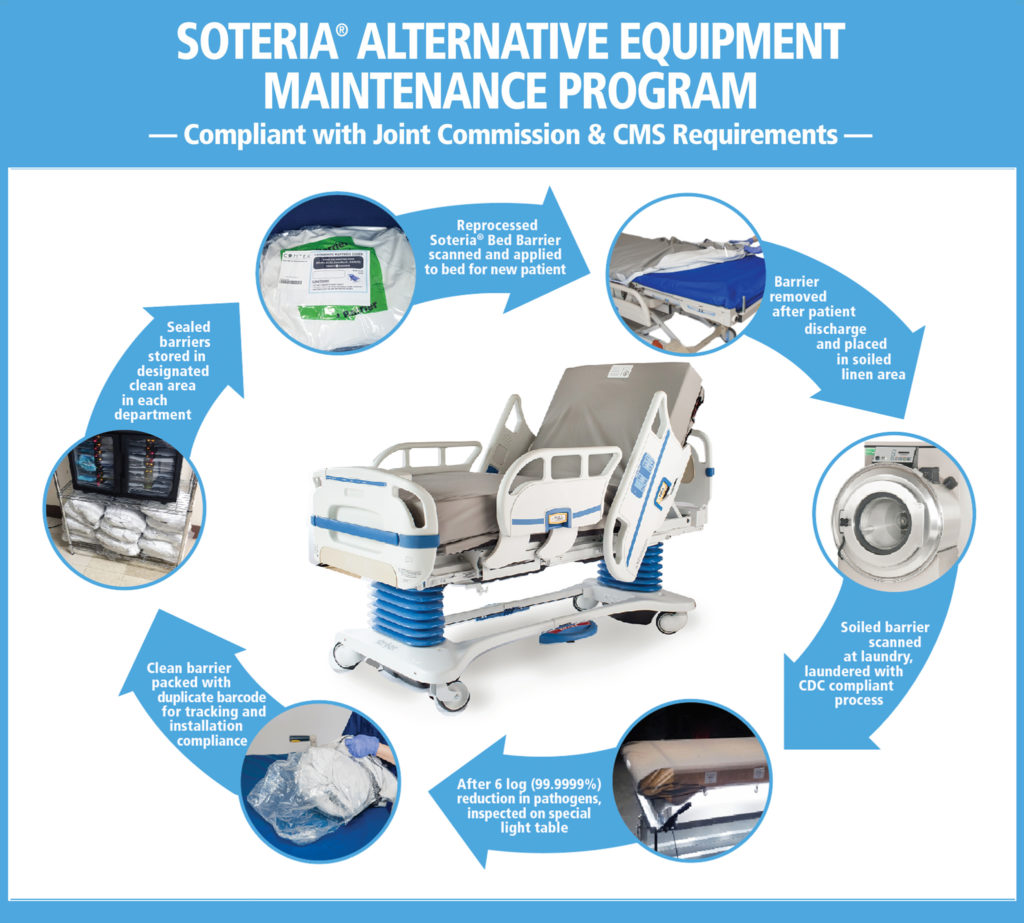 Trinity Guardion Reprocessing Program
A REPEATABLE PROCESS
Move From Cleaning Activity to Documented Control
Place a clean Soteria barrier between the patient and mattress.
Remove the barrier after the patient encounter or discharge.
Launder using the validated cleaning and disinfection process.
Inspect the barrier before it returns to service.
Track inventory, movement, and compliance through EcoSystem.
BUILT ON EVIDENCE
Infection Prevention Needs More Than a Visual Clean
Trinity Guardion’s clinical evidence includes studies evaluating hospital mattress contamination, environmental transmission, validated laundering, and infection outcomes associated with bed-barrier use.
FOR INFECTION PREVENTION TEAMS
Make the Bed a Controlled Part of Your Infection Prevention Strategy
Trinity Guardion combines physical protection, validated reprocessing, inspection, and traceability to help healthcare organizations address an often-overlooked patient surface.